Insights
- Risk
- Content
- Production
- Planning
- Travel
- Training
- Covid-19
- Article
- Podcast


El Niño Is More Than a Weather Story
El Niño can affect far more than weather conditions on location. As the climate event strengthens, productions may face increased pressure on water availability, local infrastructure, accommodation, transport, food supplies and working conditions. For international productions filming in climate-sensitive destinations such as Fiji, understanding these wider operational risks is essential to effective location planning and production resilience.
Read More
Oil Prices Don’t Stay in the Energy Market
Rising oil prices can affect far more than the fuel line in a production budget. As crude prices rise, the pressure can flow through air travel, vehicles, generators, freight, transport and supplier costs — potentially affecting multiple areas of a production at once. With budgets often locked in months before filming, understanding where fuel-price volatility could reach the production is an important part of financial and logistical planning.
Read More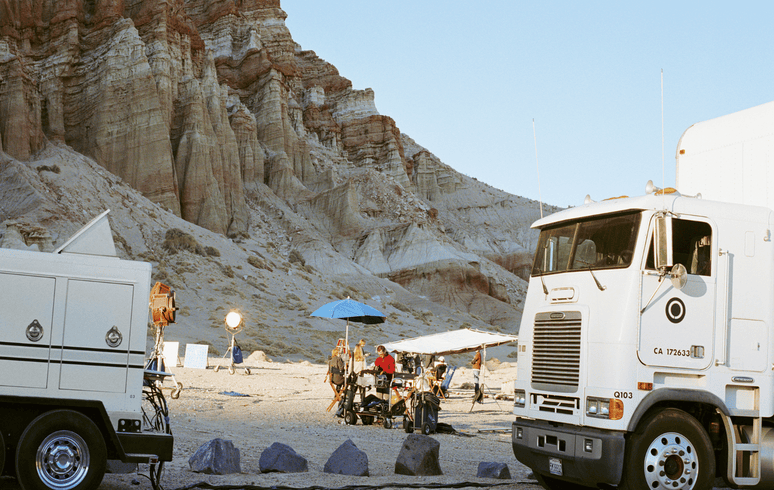
AI Adoption Is Outpacing AI Skills
AI is becoming increasingly embedded in film and TV production, but adoption is moving faster than formal skills development. With different levels of AI knowledge across crews and departments, productions risk inconsistent results, inefficient workflows and over-reliance on a small number of AI-skilled individuals.
Read More
AI Use Needs Clear Controls
AI is increasingly embedded across film and TV production, from development and production through to post, marketing and distribution. But as its use expands, so do the risks around talent rights, digital replicas, consent, intellectual property and confidential information.
Read More
Navigating Film Incentives and Local Requirements
Incentives can influence where productions choose to film, but the real value comes from understanding the conditions attached. Early planning is key to unlocking and protecting these benefits.
Read More
Global Production Opportunities Continue to Grow
The world’s production map is evolving. Established hubs remain strong, while emerging markets are creating new opportunities through incentives, infrastructure, and industry investment.
Read More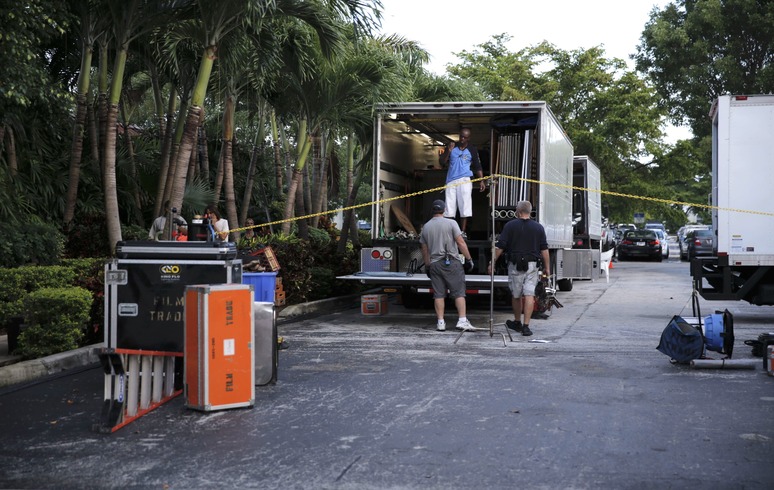
Why Institutional Knowledge Should Be Treated Like a Production Asset
Every production accumulates critical knowledge — and on leaner crews, that knowledge increasingly sits with one or two people. When they're unavailable, the gap doesn't announce itself. It just quietly disrupts everything.
Read More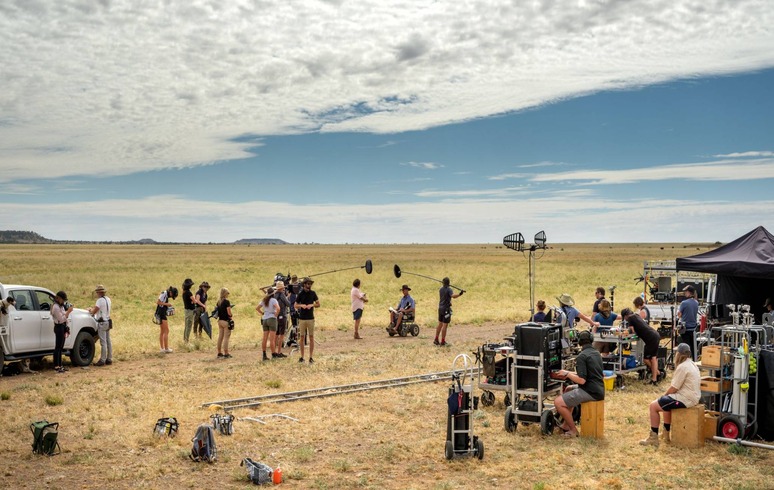
Your Planning Model May Not Have Kept Pace With Your Budget
Productions have gotten leaner — but most planning models haven't. The hidden risk isn't a smaller crew. It's assuming a smaller crew can operate safely using the same approach as a better-resourced one.
Read More
External Disruption Is Reaching Productions Faster
External disruption is reaching productions faster than ever — the productions that maintain their standard when the environment around them doesn't are the ones that built genuine resilience into their systems before they needed it.
Read More
Resilient Productions Plan Beyond the Preferred Route
The strongest productions aren't the ones that predict every disruption — they're the ones with realistic alternatives already assessed, safety-checked, and ready to activate before disruption arrives. Resilience is built in pre-production, not improvised on the day.
Read More
When Risk Documentation Becomes Easy, Its Perceived Value Can Shift
AI has made risk assessments faster and more accessible than ever. But as documentation becomes easier to produce, there’s a risk it’s treated as a task to complete — rather than a tool to guide decision-making.
Read More
AI Is Accelerating Risk Documentation
Productions are increasingly using AI to accelerate early-stage risk management. Tasks like hazard identification, regulatory research, and mitigation planning can now be initiated quickly in-house. Automation accelerates drafting, but accountability remains with production leadership.
Read More