GFS Insider: March Edition
Small Decisions Scale Quickly on a Production
What we’re seeing
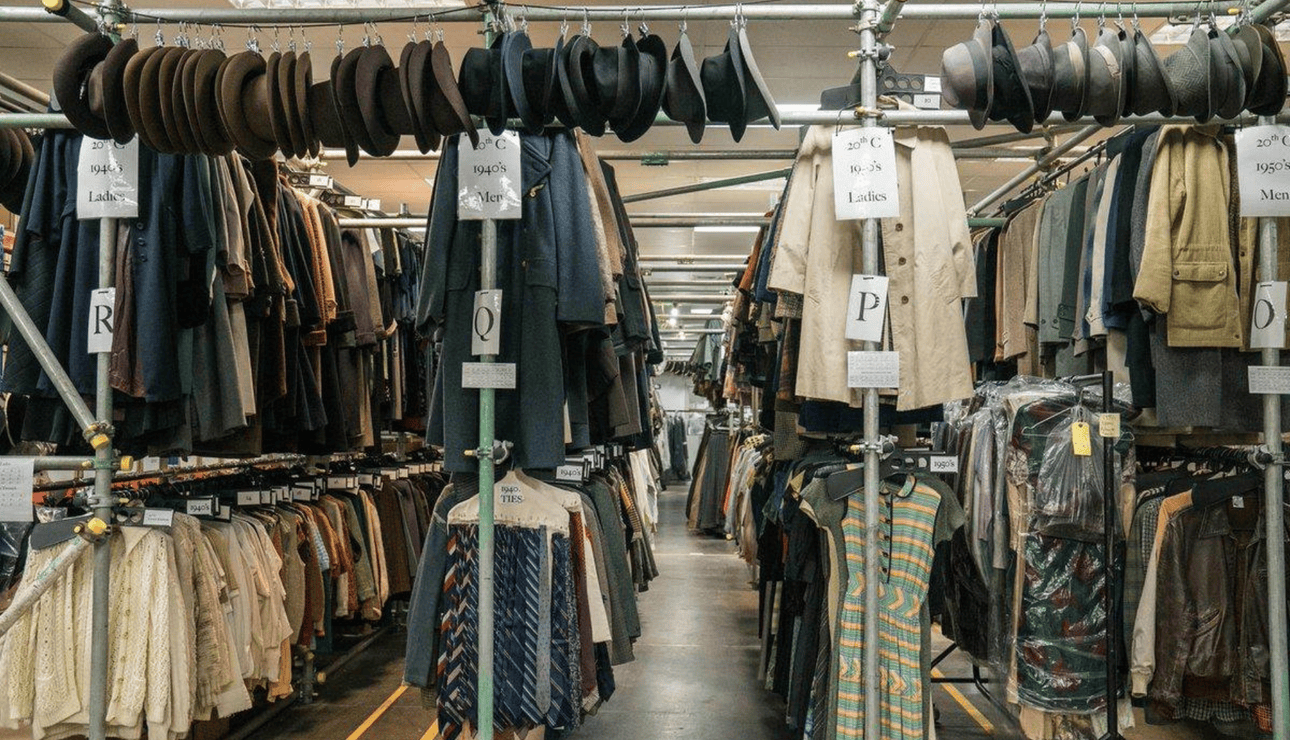
The majority of a production’s environmental impact does not come from abstract policy decisions. It comes from repeated operational choices. For example, lifecycle data from the UK Environment Agency and WRAP shows that producing a single pair of cotton trousers can generate roughly 20–30 kg of CO₂e, depending on material and manufacturing process. Multiply that by last-minute replacements, or unnecessary duplicates, and small choices compound quickly.
Industry sustainability guidance increasingly highlights that incremental rather than extreme overhauls, drive meaningful emissions reductions over time.
Why this matters on set
Small decisions scale rapidly across a production environment.
During The X-Files (Season 10), replacing single-use plastic bottles with refillable systems avoided the purchase of 45,740 individual bottles, reduced emissions by an estimated 33 tonnes of CO₂, and delivered approximately $35,000 in direct procurement savings. The impact was driven by eliminating a repeated daily purchase across a large crew, not by restructuring the production.
Similarly, Screen Ireland’s case study on The Dry S2 found that switching the unit base generator to HVO fuel reduced emissions by approximately 21 tonnes of CO₂, lowering the production’s footprint by nearly 20%. The result came from a focused operational choice made early in planning, reducing reliance on reactive diesel use and improving overall fuel efficiency.
These examples highlight a consistent pattern:
- Eliminating repeat daily purchases can produce material environmental and financial gains.
- Proactive operational planning reduces both emissions and cost exposure.
- Targeted adjustments often outperform broad sustainability mandates.
Practical controls
- Prioritise quality and durability over quantity.
- Reduce unnecessary duplication of items across departments.
- Track estimated emissions savings where feasible to make the impact visible.
- Quantify cost savings alongside carbon savings to reinforce operational value.
- Focus on achievable behaviour shifts rather than sweeping mandates that require radical and impractical shifts.
Why this approach works
Sustainability on productions does not require extreme measures or rigid ideology. It benefits from steady, incremental changes that are easy to understand and easy to action. When teams can see the measurable impact, whether in reduced emissions, lower procurement cost, or fewer disposal issues, engagement increases naturally.
Small decisions, repeated across departments and shoot days, create measurable impact.
Subscribe
Receive GFS insights and news, direct to your inbox.